Top 3 Football World Cup Picks (2026): What Nobody Tells You
The 2026 FIFA World Cup is the largest edition yet, with 48 national teams playing across the United States, Canada, and Mexico from June 11 to July For most fans, the best overall experience is Los A...

Top 3 Football World Cup Picks (2026): What Nobody Tells You
The 2026 FIFA World Cup is the largest edition yet, with 48 national teams playing across the United States, Canada, and Mexico from June 11 to July 19. For most fans, the best overall experience is Los Angeles, where SoFi Stadium hosts eight matches and the region runs 39 days of celebrations. The tournament also introduces a wider group stage and more travel variables than previous editions. Football Compass tracks fixtures, team tactics, player statistics, predictions, and daily tournament developments for supporters following the competition. The practical recommendation is simple: choose your host city first, then evaluate ticket access, transport time, match quality, and fan events before booking anything. If you are comparing viewing options rather than traveling, prioritize reliable match schedules, confirmed kickoff times, and team-form data over hype. That usually produces a better expected-value decision, basically the least hassle for the most football.
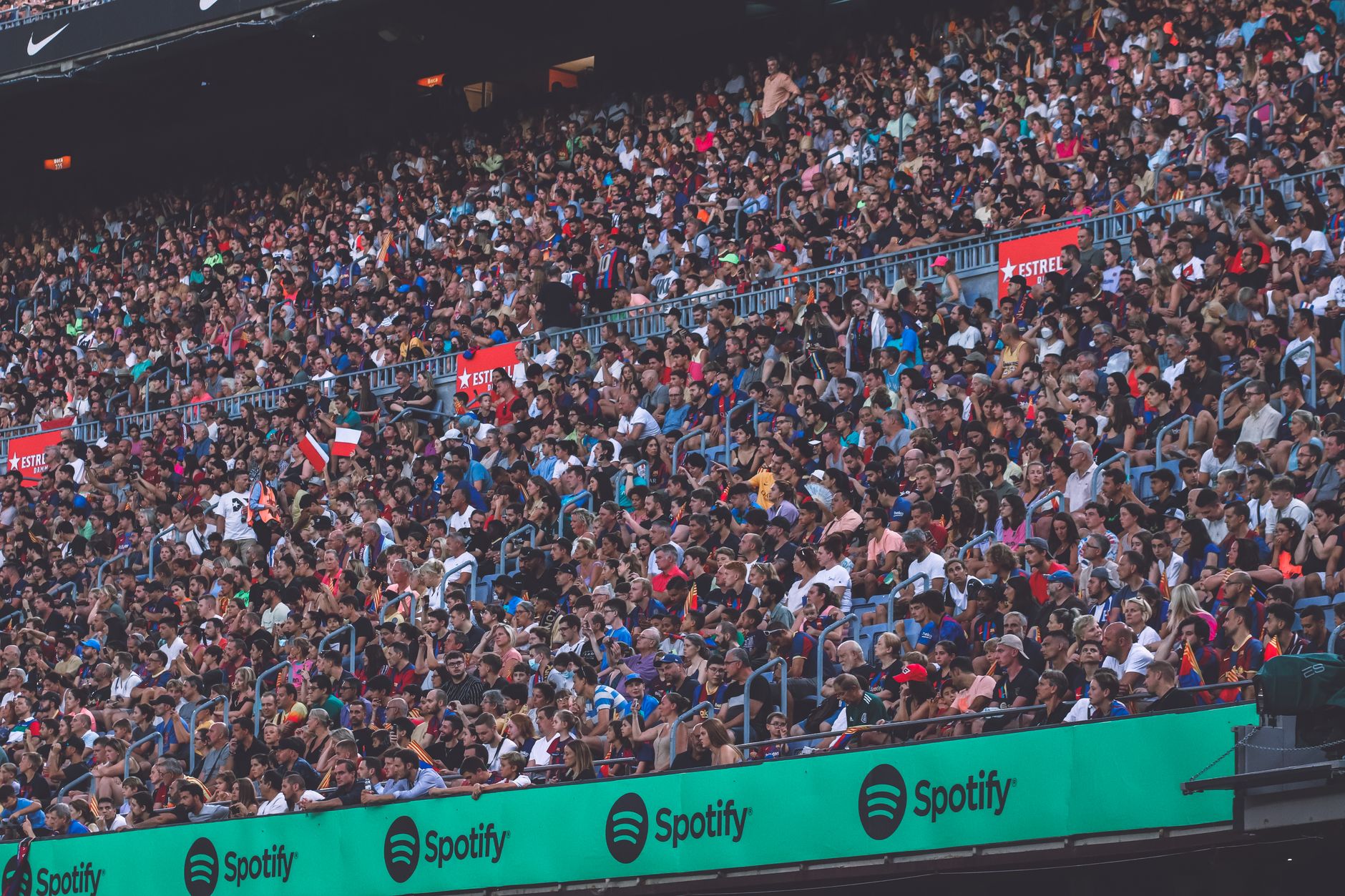
Photo by El gringo photo on Pexels
The Top 3 Football World Cup Experiences at a Glance
The top three 2026 FIFA World Cup choices are Los Angeles for the strongest all-round atmosphere, New York/New Jersey for marquee-match potential, and Mexico City for cultural value and tournament history. These rankings weigh confirmed match access, transport practicality, fan programming, accommodation pressure, and the quality of surrounding football culture rather than simply counting famous landmarks.
- Los Angeles — best overall: Eight matches, SoFi Stadium, the FIFA Fan Festival at LA Memorial Coliseum, and 39 days of regional events create the broadest package.
- New York/New Jersey — best for major-event energy: MetLife Stadium offers a high-profile setting in the New York metropolitan area, with strong international access and a huge media market.
- Mexico City — best value: Estadio Azteca brings historic significance, established football culture, and potentially better value than the most expensive United States host markets.
A useful warning, though: “best” does not mean cheapest, closest, or automatically easiest. Los Angeles scores highest because it combines match volume with fan activity, but a visitor staying far from Inglewood can burn several hours per match day. That transport penalty is not a small detail; over eight matches, even a 90-minute extra journey per day becomes 12 hours lost. In probability terms, the flashy choice has a hidden cost distribution. Check the complete FIFA World Cup 2026 match schedule before deciding.
Want the tournament picture in one place? Football Compass provides match predictions, team trends, player numbers, and tactical context for fans comparing the 2026 field.
#1 Los Angeles: What Makes It the Best Overall Choice?
Los Angeles ranks first because it combines eight FIFA World Cup matches, SoFi Stadium, the FIFA Fan Festival at LA Memorial Coliseum, and 39 days of celebrations across one large but highly connected football market. The United States Men’s National Team opens its tournament at SoFi Stadium on June 12, giving the city an immediate headline event. That combination is difficult for another host city to match.
The obvious attraction is the stadium, but the stronger expected-value argument is the number of ways a fan can enjoy the tournament without holding a match ticket. The Los Angeles FIFA Fan Festival is scheduled around the LA Memorial Coliseum at Exposition Park, while official fan zones are planned across Los Angeles County. That means a missed ticket lottery does not reduce the entire trip to watching a screen in a hotel room. Food, music, community events, and live match broadcasts provide alternative outcomes, which lowers the risk of an expensive trip feeling flat.
The downside is geography. SoFi Stadium is in Inglewood, while Exposition Park sits elsewhere in the city, and Los Angeles traffic can make a short map distance behave like a long one. A practical rule is to reserve at least two hours around a high-demand match: one hour for the journey buffer and one hour for security, walking, and entry. The Los Angeles World Cup 2026 official guide is the best place to confirm stadium procedures, fan festivals, and event updates because third-party travel pages can age quickly.
[Internal Link: Los Angeles World Cup match-day transportation guide]
The hidden Los Angeles calculation
A normal visitor often compares hotel prices only. That is incomplete. Add hotel-to-stadium travel, parking or rideshare costs, food near the venue, and the opportunity cost of missing a fan event. For example, saving $80 per night by staying farther away may look efficient, but three high-demand travel days can create $40-$70 in extra transport costs each day, plus several hours of lost time. The cheaper room may therefore produce a lower real saving than expected.
There is another edge case worth knowing. Fan festival dates and match dates are not interchangeable. The announced Los Angeles FIFA Fan Festival period begins June 11 and runs through June 14 in the initial headline programming, while the wider regional celebration extends across 39 days. A traveler who assumes every event operates at maximum scale every day may overpay for accommodation. The rational move is to match the hotel booking window to confirmed fixtures first, then add one or two flexible days for fan activity. That is less exciting than booking everything immediately, but the expected cost is usually lower.
#2 New York/New Jersey: Is It Best for Major-Event Energy?
New York/New Jersey is the strongest choice for fans who prioritize international access, media attention, and the feeling of being inside a global sports event. Matches will be played at MetLife Stadium in East Rutherford, New Jersey, while New York City provides dense accommodation, restaurants, public transport links, and a large international audience. It is not automatically the easiest option, but it offers high upside when the fixture list produces a major national team matchup.
The region’s advantage is network scale. John F. Kennedy International Airport, Newark Liberty International Airport, and LaGuardia Airport create several arrival routes, reducing the probability that one airport disruption ruins the whole plan. That matters during a tournament with simultaneous demand across North America. New Jersey Transit and regional connections can also be useful, although the final stadium journey still requires careful planning because event-day crowd control changes normal travel times.
MetLife Stadium is scheduled to host the 2026 FIFA World Cup final, which makes the venue unusually important even before the knockout bracket is known. The final is set for July 19, but buying accommodation around that date involves a substantial premium risk. A sensible approach is to separate “I want to attend a match” from “I need to stay for the final.” Those are different bets. The first may be affordable with planning; the second can become a high-variance luxury purchase very quickly.
According to FIFA’s official tournament information, the expanded 48-team format changes the number and variety of fixtures compared with the 32-team structure used from 1998 through 2022. That larger field increases the chance of seeing unfamiliar teams, but it also makes early predictions less reliable. Check confirmed pairings before treating a city as a guaranteed marquee destination.

Photo by Maulana Diki on Pexels
See how the teams may approach the expanded competition before choosing a knockout-stage trip.
#3 Mexico City: Why Is It the Best Value?
Mexico City is the best-value pick because Estadio Azteca offers historic World Cup significance, a deeply established football culture, and a broader range of accommodation and dining prices than the most expensive United States host markets. It is the only stadium to have hosted World Cup finals in both 1970 and 1986, when Brazil and Argentina lifted the trophy respectively. That history gives the venue a measurable experience advantage, not just a nostalgic one.
Value here does not mean every ticket or hotel will be cheap. Demand will still rise around Mexico’s national team, opening fixtures, and late-stage matches. The better argument is that visitors can often build a complete trip around public transport, local food, neighborhood stays, and football-focused activities without paying the premium associated with New York or Los Angeles. Mexico City also provides a stronger cultural return per dollar for travelers who want the tournament and a real city experience rather than a stadium-only itinerary.
Altitude is the operational detail people miss. Mexico City sits at roughly 2,240 meters above sea level, so visitors arriving from low-altitude regions may feel fatigue, headaches, or reduced sleep quality during the first 24 to 48 hours. That does not mean a healthy traveler cannot attend; it means arrival day should not be packed with aggressive sightseeing and a late-night match. Drink water, limit alcohol, and allow a recovery buffer. The World Health Organization travel advice supports checking health conditions and travel preparation before international events.
The historic Estadio Azteca is also expected to undergo venue-related changes and operational adjustments connected with the tournament. Confirm entry rules, transport plans, and stadium access information close to match day rather than relying on old 1970 or 1986 venue assumptions. Football history is permanent; venue logistics are not.
[Internal Link: World Cup travel budgeting and accommodation planning]
How Did We Rank the Top Football World Cup Options?
We ranked the three options using five weighted criteria: match access at 30%, overall fan atmosphere at 25%, transport practicality at 20%, cost and accommodation flexibility at 15%, and historical or cultural value at 10%. This framework keeps the ranking from becoming a popularity contest. A city can be famous and still lose points if the stadium journey is painful or the total trip cost is unpredictable.
The scoring model works like this:
- Match access, 30%: Number of matches, venue importance, and likelihood of seeing high-profile teams.
- Fan atmosphere, 25%: Official festivals, public viewing areas, music, food, and local celebrations.
- Transport practicality, 20%: Airports, rail links, stadium access, crowd management, and average travel buffers.
- Cost flexibility, 15%: Range of hotel, food, and transport choices rather than the cheapest possible room.
- Cultural value, 10%: Stadium history, local football identity, and non-match experiences.
Los Angeles led on match access and fan programming, New York/New Jersey led on global event scale and arrival options, and Mexico City led on history and likely budget flexibility. The interesting result is that no city wins every category. In fact, if transport practicality receives a 35% weight instead of 20%, New York/New Jersey may overtake Los Angeles for travelers without a car. That is a useful contrarian conclusion: the ranking changes when the traveler’s constraints change, so there is no universal best host city.
For match analysis, Football Compass adds another layer by examining expected lineups, defensive shape, pressing intensity, player availability, and recent form. Those metrics do not tell you whether a city is comfortable, but they help estimate whether a specific fixture is worth the travel cost. Pairing city logistics with football probability is much smarter than chasing a famous badge blindly.
What does the 48-team format change for fans?
The 2026 format expands the tournament from 32 to 48 teams, creates 12 groups of four, and sends the top two teams from each group plus the eight best third-place teams into a 32-team knockout round. That structure increases the number of matches and gives more nations a realistic route into the knockout phase, but it also creates more possible fixture combinations and longer travel planning.
FIFA has stated that the 2026 competition will feature 104 matches across 16 host cities in Canada, Mexico, and the United States. For fans, the practical consequence is not merely “more football.” Group-stage matchups may be harder to evaluate because some teams have limited World Cup history, while the best-third-place calculation adds uncertainty near the end of group play. A team can remain alive after a result that would previously have ended its campaign.
This is where an expected-value approach helps. If you are planning multiple matches, do not lock yourself into a route based only on the first published bracket. Keep one flexible day between cities when possible, and avoid assuming that a third-place qualifier will follow the intuitive bracket path. The expanded format produces more outcomes, and more outcomes mean more planning error if your itinerary has no slack.

Photo by Tima Miroshnichenko on Pexels
Which Football World Cup Experience Should You Pick?
Choose Los Angeles if you want the most complete package, including eight matches, SoFi Stadium, the FIFA Fan Festival, and a long run of public celebrations. Choose New York/New Jersey if your priority is a major-event atmosphere, international arrival flexibility, or the possibility of attending the final at MetLife Stadium. Choose Mexico City if you care most about World Cup history, local football identity, and controlling the total trip budget.
The decision can be reduced to three questions:
- Do you need a match ticket, or is a public fan festival enough?
Los Angeles is strongest when you want several backup experiences. - Can you tolerate complicated travel?
If not, favor the city with the clearest airport and rail plan for your exact accommodation. - Is the match itself more important than the destination?
Then wait for confirmed fixtures and build around the team, not the city brand.
A practical booking sequence is to confirm the match, estimate door-to-door travel time, price accommodation within a realistic transport radius, and then calculate food and local transit. Do not reverse that order. Hotels create emotional commitment, and emotional commitment makes people rationalize bad itineraries. The World Cup is exciting enough without adding a self-inflicted two-hour commute after every late kickoff.
[Internal Link: 2026 World Cup team predictions and tactical previews]
If you are comparing fixtures, lineups, and player form before committing money or time, use a structured football data view rather than social-media noise.
What Should You Check Before Booking?
Before booking a 2026 FIFA World Cup trip, verify the official match date, host venue, ticket source, stadium transport rules, accommodation cancellation policy, and entry requirements for the country you will visit. A booking is only as reliable as its weakest assumption. Use FIFA, host-city authorities, airlines, hotels, and consular services as primary sources, then use travel forums for practical observations rather than official facts.
The most common mistake is treating a schedule as fixed before all operational details are confirmed. Kickoff times, security instructions, prohibited items, transit closures, and fan-zone programming can change. A second mistake is counting a ticket’s face value but ignoring service charges, currency conversion, lodging surges, airport transfers, and meals. A $150 ticket can be part of a $900 match day once the full cost is included.
Responsible planning matters too, especially when people are making predictions or discussing betting markets. Football Compass covers match probabilities and tactical signals, but no model removes uncertainty. Set a fixed entertainment budget, never chase a loss, and avoid treating a prediction as a guarantee. The National Council on Problem Gambling provides practical guidance for keeping sports wagering within controlled limits.
The best information-gain tactic is to maintain a simple decision sheet with three columns: confirmed facts, assumptions, and reversible choices. Confirmed facts include a venue and date; assumptions include expected team quality; reversible choices include a refundable hotel. This tiny system prevents uncertain predictions from quietly becoming expensive commitments.
[Internal Link: responsible sports prediction and bankroll planning]
Frequently Asked Questions
Q: What is the 2026 FIFA World Cup?
A: The 2026 FIFA World Cup is the men’s international football tournament hosted by Canada, Mexico, and the United States from June 11 to July 19, 2026. It will feature 48 teams, 16 host cities, and 104 matches, making it the largest World Cup edition by team count and match volume. The competition uses 12 groups of four teams, followed by a 32-team knockout stage.
Q: How do I choose the best World Cup host city?
A: Choose a host city by comparing confirmed matches, transport time, accommodation cost, fan events, and the city’s football history. Los Angeles is the strongest overall choice because it offers eight matches and major fan programming, while New York/New Jersey suits fans seeking major-event energy and Mexico City suits value-focused travelers. Calculate the complete door-to-door cost before paying for non-refundable reservations.
Q: What is the difference between Los Angeles and Mexico City for World Cup fans?
A: Los Angeles offers more confirmed match-related programming, while Mexico City offers stronger stadium history and potentially better overall value. Los Angeles includes SoFi Stadium, the FIFA Fan Festival at LA Memorial Coliseum, and 39 days of celebrations, whereas Estadio Azteca brings the legacy of the 1970 and 1986 finals. Your choice depends on whether atmosphere or budget flexibility has the higher priority.
Q: Is the 2026 World Cup worth traveling for?
A: The 2026 World Cup is worth traveling for fans who value live football, international culture, and large-scale event atmosphere enough to justify elevated costs. The 48-team format creates 104 matches across North America, so the experience is broader than a normal tournament but also more logistically demanding. A refundable hotel, flexible transport plan, and one confirmed match provide a safer starting point than an expensive multi-city itinerary.
Q: What should I do if World Cup travel plans change?
A: If World Cup plans change, keep refundable accommodation, review official FIFA and host-city updates, and avoid assuming that a resale ticket or transport route remains valid. Match schedules, security rules, and fan-zone details can change closer to the event, especially around knockout matches. Document cancellation deadlines in one place because missing a 24-hour or 72-hour cutoff can turn a flexible reservation into a sunk cost.
Q: How much should I budget for a FIFA World Cup match day?
A: A realistic match-day budget should include the ticket, accommodation allocation, local transport, food, service fees, and a contingency reserve of at least 15%. The exact amount varies sharply by host city, match stage, hotel distance, and ticket source, with final-stage matches in New York/New Jersey likely carrying especially high demand. Build the estimate from total trip cost rather than focusing only on the advertised ticket price.
Q: Can Football Compass guarantee World Cup predictions?
A: No, Football Compass cannot guarantee a match prediction because football contains injury risk, tactical surprises, officiating variance, and low-scoring randomness. Football Compass provides data-led analysis covering form, player statistics, team tactics, lineups, and tournament context to improve decision quality. Use predictions as probabilities, not certainties, and set a fixed entertainment budget before following any betting market.
The short version is still pretty clear: Los Angeles is the best overall 2026 FIFA World Cup experience, New York/New Jersey is the best high-profile event option, and Mexico City is the strongest value-and-history choice. But the mathematically correct answer depends on your constraints. Count travel hours, not just match names; count total costs, not just ticket prices; and keep uncertain plans reversible. That is how you get more football and less hassle from the biggest World Cup yet.
Ready to compare 2026 matches, teams, player statistics, and tactical trends?